
Diverse Expertise

Customer-Centric

Data Driven

Situational Analysis
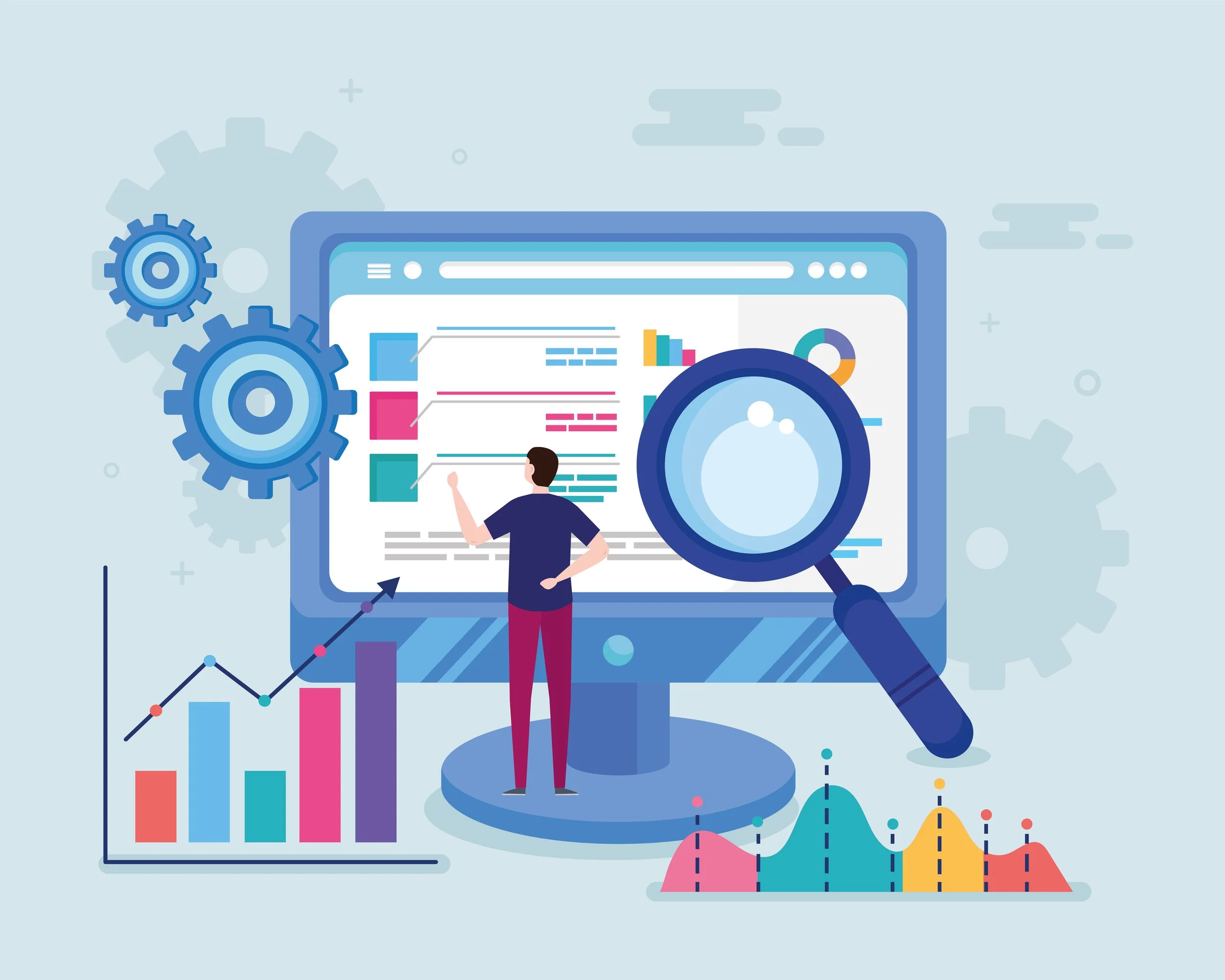
Situation analysis is the foundation of the digital marketing plan. It involves comprehensively examining the current market environment, including your internal and external factors. It's not just about knowing where you stand; it's about understanding how to leverage that information in your marketing planning.
We will carry out the following:
Macro-environment analysis (Political, Economic, Social, Technological, Legal and Environmental factors)
Micro-environment analysis (Strategy, Structure, Shared Values, Skills, Style and Staff)
SWOT analysis
Competitor analysis
Digital marketing performance review

Objectives

This part of the plan defines the goals you want to achieve. Whether your overall goal is to increase website traffic, boost brand awareness, generate leads or drive sales, we will work with you to define and refine your digital marketing goals.
Define your vision
We will work with you to set specific, measurable, achievable, relevant and time-bound goals
We help to align your objectives with the five S’s of digital marketing (Sell, Serve, Sizzle, Speak and Save)
Select CSFs and KPIs

Strategy

This section of the plan will outline how we plan to achieve your objectives. The strategy serves as a roadmap for the marketing efforts.
Segmentation - this involves dividing your target market into smaller, more defined groups based on demographic, psychographic, behavioural and geographical factors.
Targeting - we will work with you to decide which segment(s) to target, depending on factors such as profitability, size and how competitive the segment is.
Positioning - once the target segments are selected, we will help to position your products or services in the market, by developing a marketing mix that will appeal to the target market.
Tactics
This section of the plan will outline the specific actions and tools we will use to implement your strategy. This stage is about choosing the practical tools, channels, and techniques that will help you achieve your marketing objectives.
This will involve the following:
Marketing Channels - Deciding where and how you will reach your target audience, whether that’s through social media, email marketing, SEO, PPC, content marketing
Content Strategy - Outlining the specific types of content that will be created (blogs, videos, infographics, etc.) and where that content will be distributed to attract and engage your audience.
Positioning - once the target segments are selected, we will help to position your products or services in the market, by developing a marketing mix that will appeal to the target market.